The Wabi-sabi style at a glance
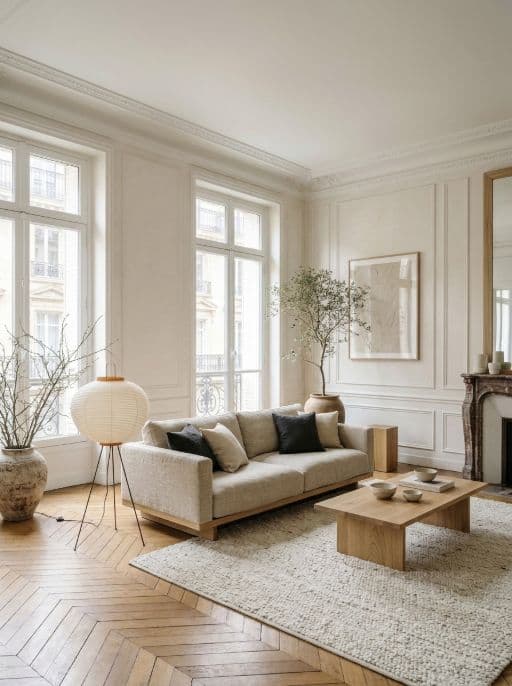
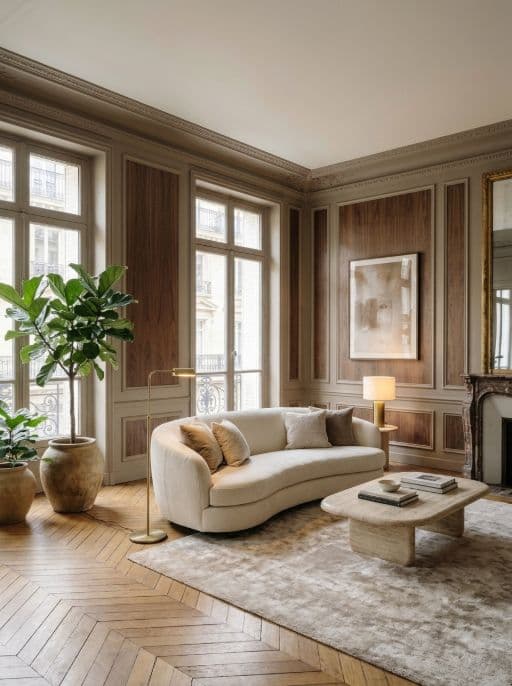
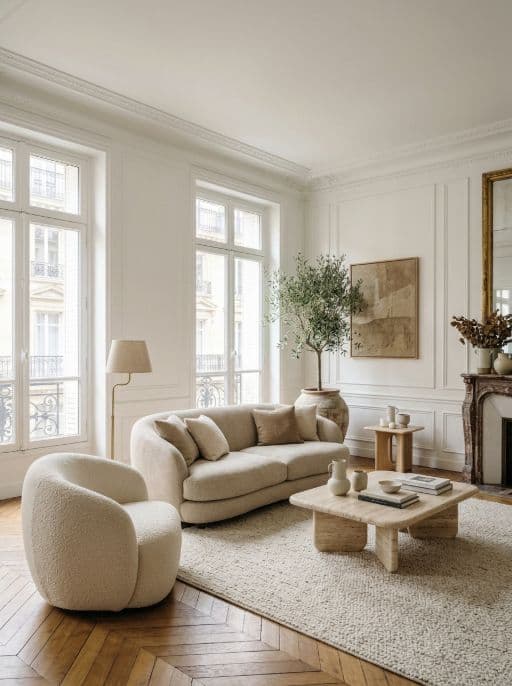
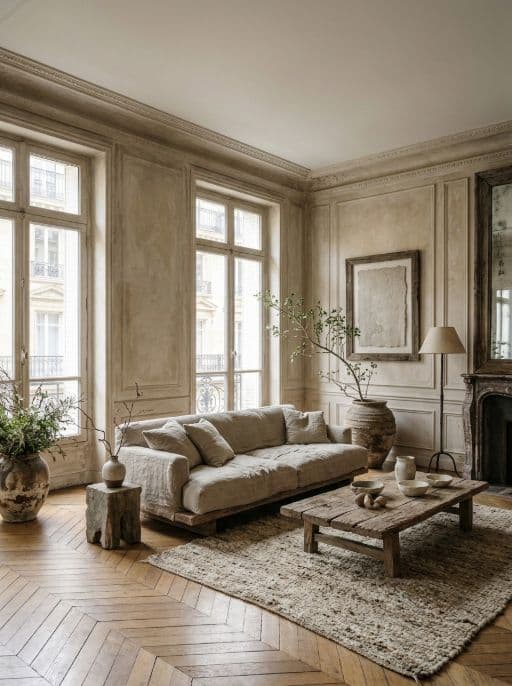
Rooted in Japanese aesthetics, wabi-sabi celebrates what is simple, aged and imperfect. Walls keep the trowel marks of hand-applied plaster, wood shows its knots and cracks, and ceramics carry the potter’s fingerprints. Colors are muted, taken from earth, stone and raw linen, and the light is soft and low, like late afternoon. The result is a room with an almost meditative calm.
To create a wabi-sabi interior, avoid anything too new or too glossy. Choose rough wooden furniture, undyed linen, one or two irregular ceramics and a branch in a simple vase. The fewer objects you keep, the more each one matters. Redeko transforms a photo of your room into this style while keeping its structure, so you can see whether this peaceful atmosphere feels like you before hunting for the perfect bowl.
Wabi-sabi fits bedrooms, bathrooms and reading corners, and is a rawer, earthier cousin of Japandi. Second-hand finds often fit the spirit better than anything new.
Key elements
- Hand-troweled plaster
- Weathered wood
- Handmade ceramics
- Undyed linen
- Earth and stone tones
- Soft, low light